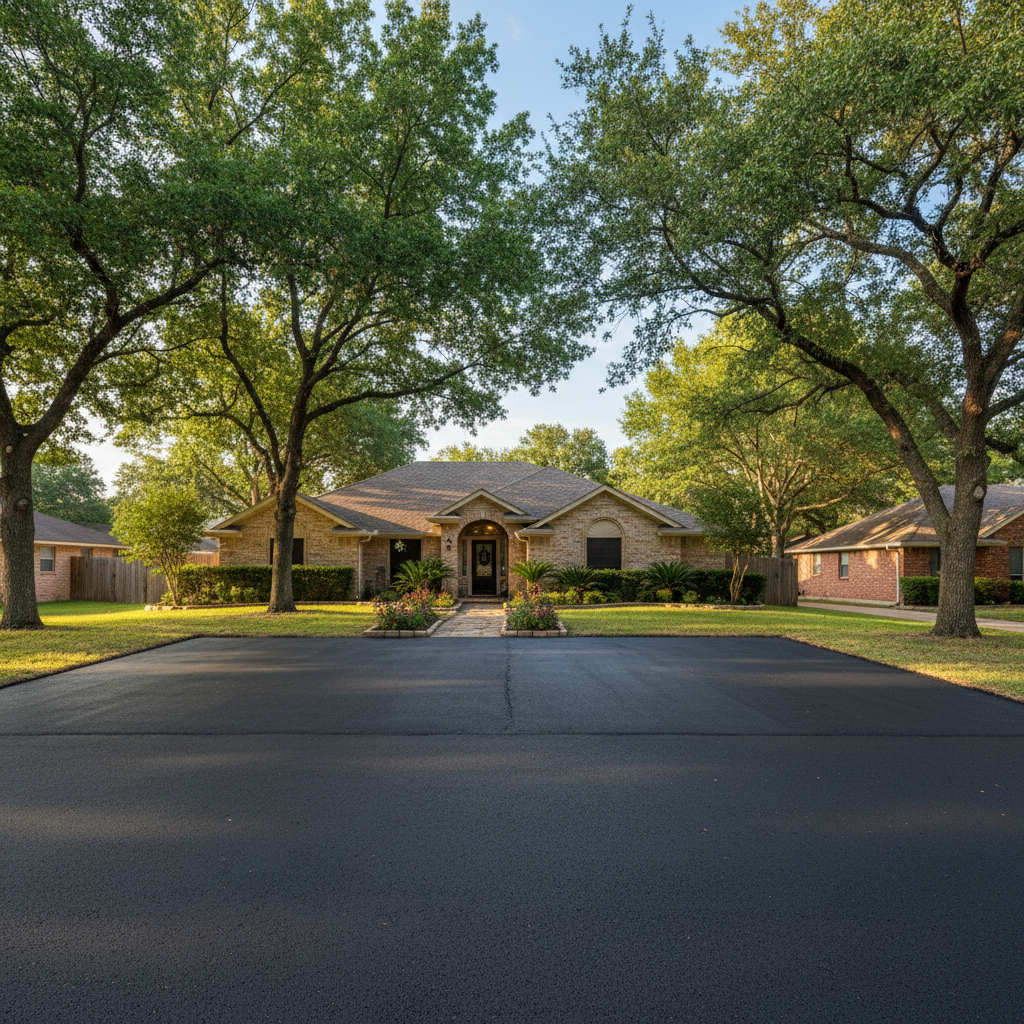
So, you're thinking about getting a new asphalt driveway in Rosenberg, huh? Smart move. A solid driveway doesn't just look good; it protects your place and really boosts that curb appeal. But before the big machines roll in, there's some planning you'll want to take care of. I've been doing this for a quarter-century here in Fort Bend County, and believe me, I've seen it all. Let's go through what you need to know so your paving project goes off without a hitch.
Figuring Out Your Project Schedule
Folks often hit me with, "How long is this whole thing going to take?" It's a fair question, and the answer isn't always super simple, but I can give you a pretty good idea. From your first phone call to actually driving on your fresh asphalt, you're usually looking at a few weeks — sometimes even a month or two, depending on the time of year and how busy contractors are.
- First Contact & Quote (1-2 weeks): You'll ring up a few contractors, they'll come out, measure things up, and give you a price. Good contractors are busy, especially in spring and fall, so getting them to your place might take a few days.
- Contract & Scheduling (1-2 weeks): Once you pick a contractor, you'll sign the paperwork. Then they'll fit you into their schedule. Weather plays a huge part here in Rosenberg; we can't pave in heavy rain, and it's tough when it's super hot, so schedules can definitely shift.
- Permits (If You Need Them - 1-4 weeks): For most home driveways, you typically don't need a city permit unless you're changing drainage patterns or digging into public land. But always double-check with the City of Rosenberg's Public Works Department, just to be safe. It's way better to be sure than to have to rip something out later, right?
- Site Prep & Paving (2-5 days): This is when the actual building happens. Depending on how big your driveway is and whether we're tearing out the old one completely or just putting a new layer on top, it could take anywhere from two days to almost a week.
- Curing Time (3-7 days): After the asphalt is down, it needs to set up. You won't be able to drive on it right away. We'll give you specific instructions, but generally, stay off it for at least 3-5 days, and keep heavy vehicles away for a week or more.
What Happens During the Paving Process?
Okay, so you've signed the contract, and we've got a date. What exactly happens when we show up?
- Demolition & Excavation: If you're getting a brand-new driveway or replacing an old one, first we'll remove the old stuff. That means jackhammers, excavators, and dump trucks. It's going to be loud and dusty for a bit. We'll dig down to the right depth, usually 8-12 inches, to make a really solid base.
- Grading & Base Layer: This step is super important. We'll grade the area to make sure water drains away from your house properly. You really don't want water sitting on your new driveway, especially with our heavy Texas rains. Then, we'll put down a compacted aggregate base layer — usually crushed limestone or recycled concrete. This is the foundation, and it absolutely has to be solid.
- Binder Layer (Optional but Recommended): For really tough driveways, especially if you have heavy vehicles, we might add a binder course. It's a coarser asphalt mix that just adds more strength.
- Asphalt Surface Layer: This is the part you'll actually see. We'll lay down a hot asphalt mix, usually 2-3 inches thick, and then compact it with heavy rollers. This is where the magic happens, giving you that smooth, black finish.
- Edge Work & Cleanup: We'll finish up the edges, make sure everything looks tidy, and clean up the site. We won't leave a mess for you to deal with.
How to Get Your Property Ready
You've got a part to play too! A little preparation on your end can make things go much smoother for everyone.
- Clear the Area: Move any cars, boats, RVs, or trailers off the driveway and out of the work zone. You'll need somewhere else to park for a while.
- Protect Landscaping: If you've got delicate plants, sprinkler heads, or decorative items close to the driveway, move them or cover them up. We'll try our best to be careful, but heavy equipment can be pretty unforgiving.
- Mark Utilities: Call 811 before any digging starts. It's the law, and it keeps us from hitting underground lines like gas, water, or electricity. Your contractor should remind you, but it's ultimately your job.
- Tell Your Neighbors: Let your neighbors know about the upcoming work. There will be noise, dust, and maybe blocked access for a few days. A heads-up goes a long way, believe me.
- Keep Pets & Kids Safe: Keep pets and children away from the construction zone. Hot asphalt and heavy machinery are no joke.
Questions to Ask Before You Sign Anything
Don't just jump at the first quote you get. You're putting down a good chunk of cash, so ask some tough questions. Any decent company, like All Star Asphalt Co., will be happy to answer them.
- What's all included in the price? Make sure the quote is really detailed. Does it cover demolition, digging, base material, asphalt layers, compaction, and cleanup? Are there any hidden fees?
- What kind of base material do you use, and how thick will it be? This is crucial for how long your driveway lasts, especially with our expansive clay soils around Rosenberg. A good, thick, compacted base really helps prevent cracking and settling.
- How thick will the asphalt layers be? Ask about the compacted thickness, not just how deep it is when it's loose. A typical home driveway needs at least 2-3 inches of compacted asphalt.
- What's your warranty? A good contractor stands behind their work. Ask about material and labor warranties and get it in writing.
- Are you licensed and insured? Don't even think about working with someone who isn't. You need to know they're legitimate and that you're protected if something goes wrong. Ask for proof of insurance.
- Can you give me some references? Talk to past customers. Go see their work. It's really the best way to judge how good and reliable a contractor is.
- How do you handle drainage? This is huge in our area. Make sure they have a plan to get water away from your house and property.
- What's the payment schedule? Reputable contractors usually don't ask for 100% upfront. A deposit, then payments as the work progresses, is pretty standard.
Getting a new asphalt driveway is a big project, but it doesn't have to be a headache. With a little planning and by asking the right questions, you'll end up with a beautiful, durable driveway that'll serve you well for years to come.