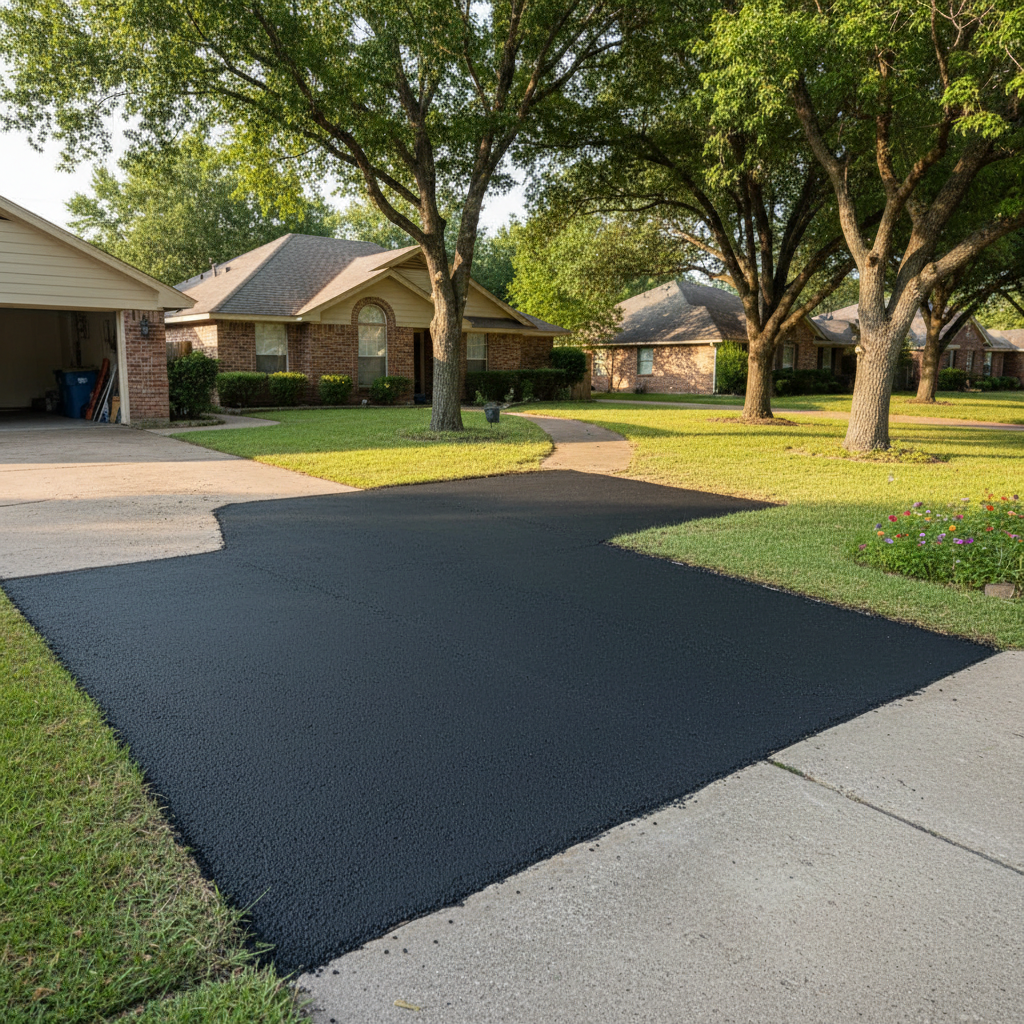
Got a pothole or a crack that’s just getting bigger? It’s super easy to put off, I know, but ignoring those small issues is basically asking for bigger, more expensive headaches down the road. When we're talking about asphalt patching right here in Rosenberg, timing and the weather are absolutely crucial. You can't just slap some asphalt down whenever you feel like it and expect it to hold up. Believe me, I've seen plenty of folks try, and it almost always costs them more in the long run.
When's the Best Time for Patching?
Honestly, the sweet spot for patching asphalt is when it's warm and dry. Think spring, early summer, and even early fall. We're looking for consistent temperatures, ideally above 50 degrees Fahrenheit, so the asphalt can cure properly. Now, our Rosenberg summers get brutally hot, and while that heat *does* help with curing, you don't want it so hot that the new asphalt material is too sticky to work with, or frankly, that the crew is battling heatstroke. Spring and fall? That's our golden window.
So, why is temperature such a big deal? Well, when we apply the asphalt mix, it really needs to bond with the existing pavement. If it's too cold, the material won't compact correctly, and it won't stick. You'll just end up with a patch that crumbles or pops out after the first decent rain. And if it's too hot, the material can be a real pain to spread evenly and compact, leading to an uneven surface that just won't last.
Weather Conditions That Affect the Work
Beyond just temperature, other weather conditions play a huge role. Rain, for example, is a definite no-go. You simply can't patch asphalt effectively on a wet surface. The moisture stops proper adhesion, and you'll just be throwing your money away. Even if the surface looks dry, if it's rained recently and the ground underneath is saturated, that's going to cause issues down the line. Trust me on this one.
- Rain: Forget about it. Water and fresh asphalt just don't mix.
- High Humidity: This can slow down the curing process, especially for certain patching materials. It's not as critical as rain, but it's definitely something we keep an eye on.
- Extreme Cold: Below 50°F, the asphalt gets stiff, hard to work with, and won't bond well. You'll end up with a weak, brittle patch, and nobody wants that.
- Wind: Strong winds can cool the asphalt mix too quickly, making it harder to compact properly before it sets up.
We're constantly watching the forecast. If a big storm is heading our way, we'll absolutely reschedule. It's always better to wait a few days for ideal conditions than to rush a job that won't last. We're not just trying to get the job done; we're trying to do it *right*, so your patch holds up for years.
Protecting Your Investment Year-Round
Once your asphalt is patched, you've got to protect it. It's not a "set-it-and-forget-it" kind of deal, especially with our Texas weather. Those huge temperature swings, from freezing nights in winter to scorching 100-degree days in summer, put a ton of stress on pavement. And let's not forget the heavy clay soils we have around here, particularly in older neighborhoods like Fairpark or Pecan Grove, which can shift and put extra pressure on your driveway's foundation.
Here's what you can do:
- Keep it Clean: Sweep off debris, leaves, and dirt regularly. This stops organic matter from breaking down and holding moisture against the surface.
- Address Spills Immediately: Oil, gas, and other chemicals can break down asphalt. Clean them up fast, seriously.
- Sealcoat Regularly: This is probably the single most important thing you can do. A good sealcoat every 2-3 years protects the asphalt from UV rays, water penetration, and oxidation. Think of it like sunscreen for your driveway.
- Don't Overload It: Avoid parking really heavy vehicles or equipment on your driveway for extended periods if it wasn't designed for that weight.
- Trim Overhanging Branches: Roots can cause cracks and upheavals. Keep an eye on trees near your driveway—they can be sneaky.
Small cracks and potholes are like little wounds on your driveway. If you don't treat them, they'll just get "infected" and spread. Water gets in, freezes, expands, and then you've got a much bigger problem on your hands. That's exactly why All Star Asphalt Co. always recommends addressing these issues quickly and doing it when the conditions are right. We want your driveway to last, not just for a season, but for many years to come.